A station with two faces
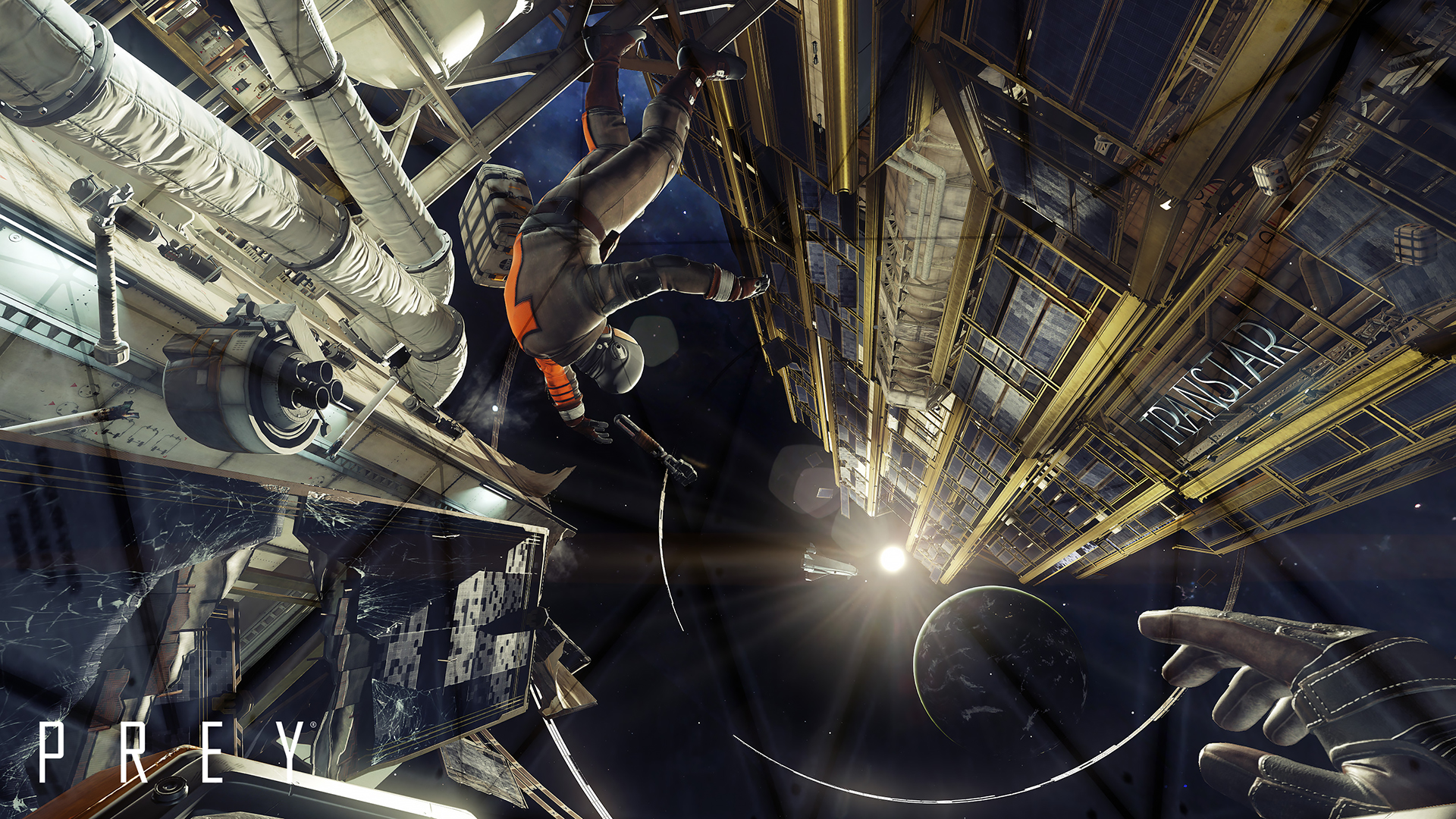
Prey places Morgan Yu aboard Talos I after an experiment has gone wrong and hostile aliens have overtaken the station. Bethesda’s description pairs that threat with a surprisingly lavish setting: a vision of corporate space travel influenced by 1960s luxury. It also describes connected routes through the station. The contrast matters. This is a place built to express confidence and ambition, now encountered under pressure. Exploring it means paying attention to both the environment’s former purpose and the danger that changes how you can approach it.
A problem can be an invitation
The publisher presents survival through a combination of equipment, abilities, crafting and improvisation. The attraction of a space can therefore include the question of how to act within it. That is different from treating every room as a container for information. A route can look interesting because of what it might reveal, but also because you have an idea about how to approach it. The published premise puts investigation and action beside one another without reducing either to a single prescribed response.
When discovery begins with suspicion
Wonder is only one reason to look more closely. Suspicion can also sustain attention: something does not fit, an explanation seems incomplete or a space suggests an intention you do not yet understand. The difference is emotional. An inviting mystery draws you forward with the prospect of finding something; an uneasy one can draw you forward because remaining uncertain feels uncomfortable. Both involve curiosity, but they do not promise the same kind of evening. The wish for an answer can coexist with reluctance to approach it.
Pressure changes what you notice
Pressure can sharpen an observation and narrow it at the same time. A person concentrating on getting through a space may notice useful possibilities while giving less attention to the setting’s history or visual detail. Later, the same space might invite another reading. That tension is useful when thinking about the promise of exploration in a thriller. More things to discover do not necessarily mean more room to contemplate them. The question is whether acting under uncertainty is part of the appeal, or an obstacle between you and the place you want to understand.
A counterpoint to wonder
Outer Wilds, Subnautica and Prey all give this issue a reason to discuss discovery, but the word hides important differences. A changing world, the preparation around a journey and a threatening station place different demands on attention. Prey makes the clearest counterpoint to the idea that exploration must feel welcoming. Before following the image of Talos I, consider the hostile premise that surrounds it. You may want curiosity with reassurance, or curiosity that unsettles you. Recognising that preference says more about the choice than the shared presence of a remarkable place.
Sources
Arkane / Bethesda · Prey official descriptionEditorial essay · Sources checked 2026-10-26
Suggest a correction